
The $3 Billion Opportunity: Why Demand-Side Flexibility is the New Currency for Industrial NZ
In the boardroom, the conversation is often dominated by ESG targets and climate-related financial disclosures. On the factory floor, the conversation is simpler: production uptime and margin protection. For too long, these two worlds have spoken different languages.
However, in January 2026, a landmark report was released that finally merges these priorities into a single, high-stakes commercial opportunity. The “Full Potential of Flexible Electricity Use in New Zealand” (Summary and Insights Report 2026), commissioned by EECA and authored by Jacobs, provides the first comprehensive look at Demand-Side Flexibility (DSF) as a multi-billion dollar asset.
At DETA, we have always maintained that sustainability is a byproduct of elite engineering and smart financial management. This report provides the "investment-grade" evidence to prove that energy flexibility is no longer a "nice-to-have" environmental goal—it is a strict commercial requirement for the modern industrial operator.
The Big Reveal: 1,900 MW of Untapped Power
For decades, New Zealand’s energy infrastructure has been built to solve a single, expensive problem: the morning and evening electricity peak. Traditionally, when demand spikes, we build more poles, more wires, and more fossil-fuel peaking plants.
The 2026 EECA report flips this logic on its head. The analysis reveals that the potential impact of DSF on national peak demand is between 1,700 and 1,900 MW. To put that in perspective, that represents approximately 25% of New Zealand’s current peak electricity demand.
By shifting when we use power—moving load away from those critical peaks to "fill the valleys" during low-price periods—we aren't just helping the grid; we are optimising the entire economy.
The $3 Billion Financial Hook
Realising this 1,900 MW potential isn't just a technical achievement; it’s a financial one. The report highlights that this level of flexibility represents nearly $3 billion in avoided investment in generation and network infrastructure.
Transpower estimates that for every gigawatt (GW) of peak demand reduction, the system saves roughly $1.5 billion in cost. When we stop over-building for peaks that only occur for a few hours a year, the downward pressure on electricity prices benefits every industrial player in the country.
The "So What": Navigating the $500/MWh Peak
For a CFO or Plant Manager, grid-level savings are interesting, but site-level savings are actionable. The report gets straight to the point on the "Peak Tax" many businesses are currently paying.
- The Price Signal: Approximately 1,350 GWh of energy per year could be shifted away from peaks at a procurement price of less than $500/MWh.
- The Comparison: Currently, the system often relies on diesel-fired peaker plants during high-load intervals, which can cost in excess of $500 per MWh to run.
- The Opportunity: By 2040, shiftable energy potential increases to nearly 2,000 GWh.
If your site is drawing maximum load during these windows, you either are, or will be, paying a premium for your energy. At DETA, we view this as "OpEx waste." DSF allows you to arbitrage this volatility—using energy when it’s cheap and clean, and stepping back when the price (and the carbon intensity) of the grid spikes.
Where is the Gold? Sector & Regional Highlights
The 2026 report provides a granular roadmap of where the most significant flexibility "gold" is buried. While residential ripple-control hot water has historically provided 150-200 MW of flexibility, the industrial and commercial sectors are the new frontier.
The top ten potential contributors to DSF (outside of main-centre residential) include:
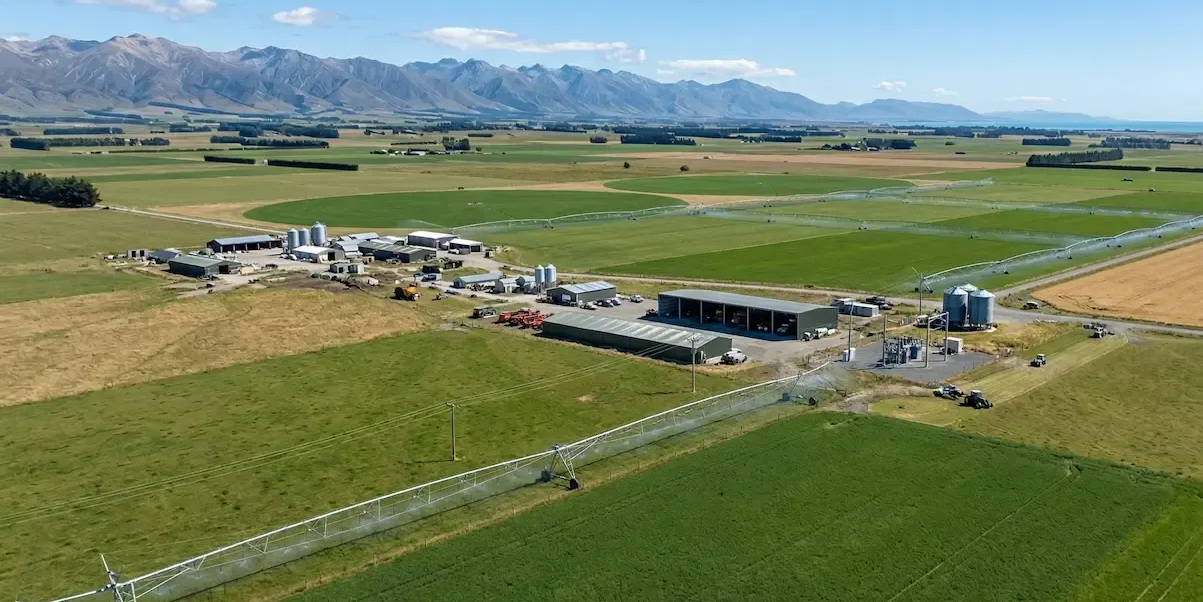
- Farming (South Canterbury): The standout regional contributor, primarily through irrigation loads – and lining consumption up with the large amount of solar already under development across the region.
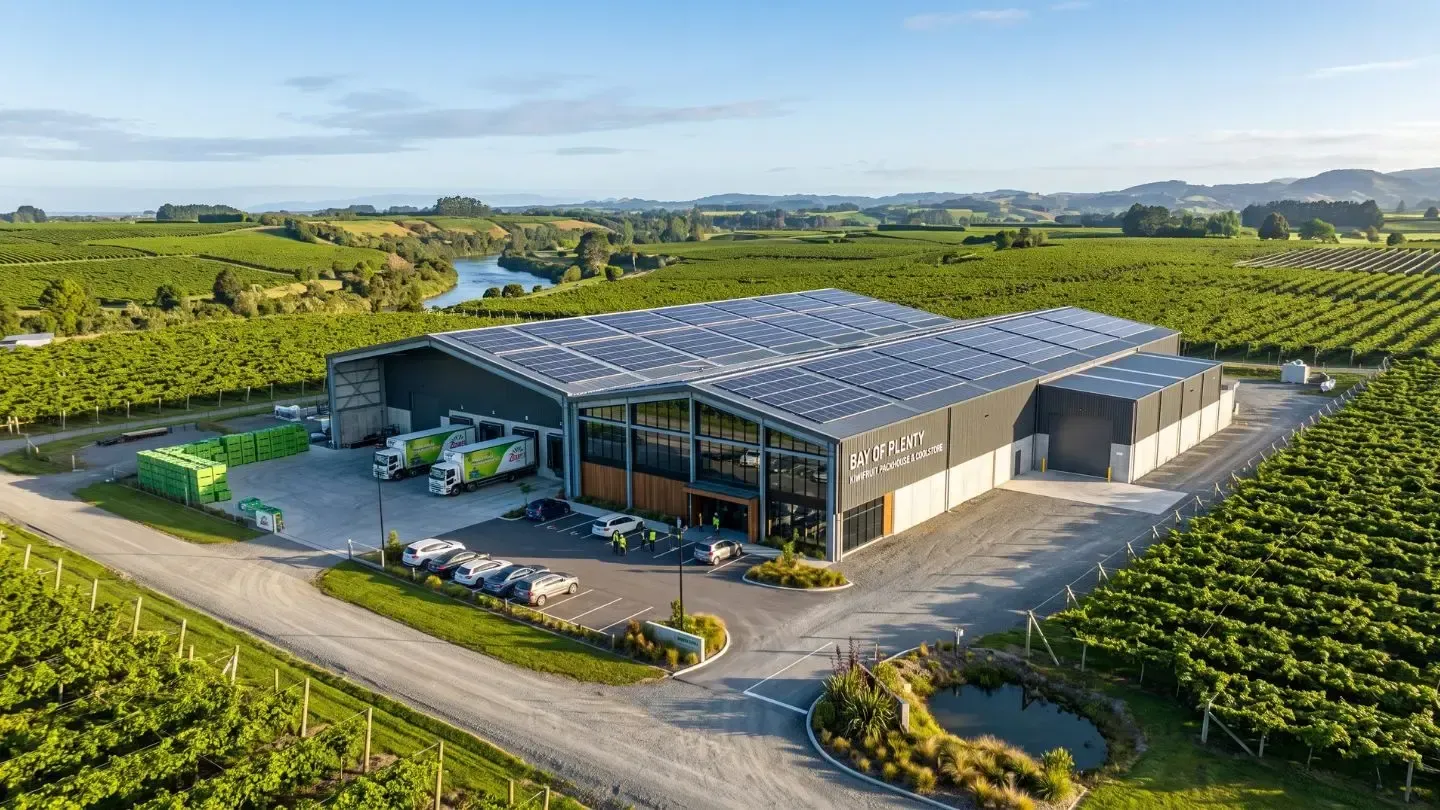
- Forestry Products (Bay of Plenty & Manawatū): Massive potential for shifting loads in mechanical pulping and process heat.
- Metals (Auckland & Southland): Large-scale players like NZAS and NZ Steel are already leading with agreements providing up to 185 MW of flexible capacity.
- Retail & Offices (Auckland & Wellington): HVAC and lighting systems in commercial hubs.
By 2040, the electrification of process heat—particularly in food processing—is expected to push these sectors even higher up the priority list across the Waikato, Taranaki, and Canterbury.
Addressing the "Production First" Reality
We understand the primary barrier to entry. The EECA/Jacobs surveys confirmed what we hear on-site every day: production continuity is the top priority.
- 71% of industrial respondents stated their operations must continue regardless of electricity prices.
- There is a valid concern that "flexibility" is just a code word for "disruption" or "shutdown".

At DETA, our engineers agree. An energy strategy that compromises your throughput is a bad strategy. However, the report highlights that DSF includes options that have zero impact on production output. These include:
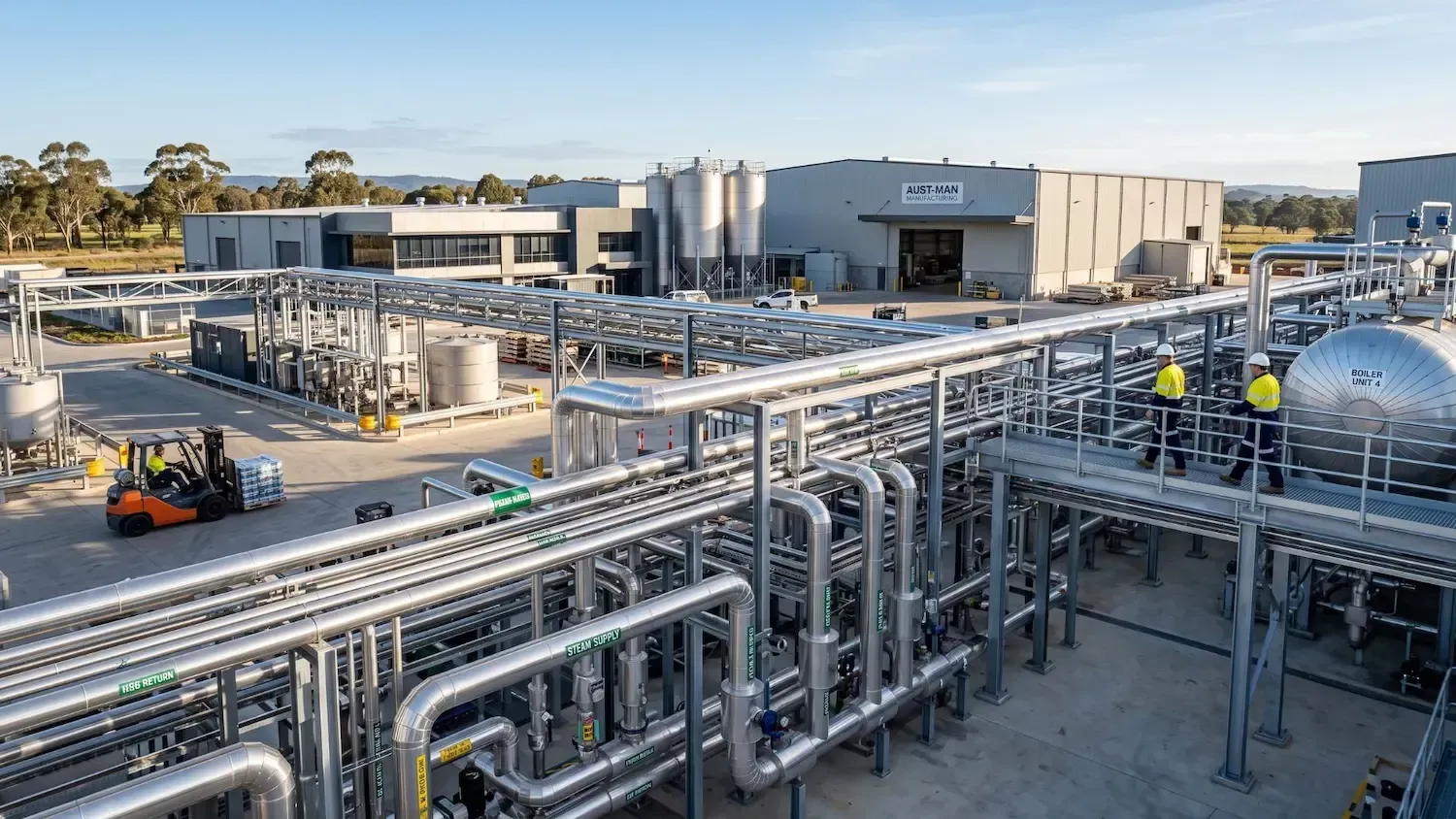
- Storable Loads: Leveraging batteries or thermal storage systems – either refrigeration or hot water/steam based - to buffer energy use without pausing the production line.
- Smart Controls: Using advanced Energy Management Systems (EMS) to automate micro-adjustments that stay within your operational tolerances.
- Non-Critical Buffers: Identifying peripheral systems (like wastewater pumping or space heating) that can be rescheduled with no effect on the final product.
From Theory to the Factory Floor
The 2026 EECA report is a masterpiece of evidence, but as the report authors acknowledge, realising this potential requires a "two-way street" between policy and industrial reality. It requires a partner who understands the physical laws of the factory floor as well as they understand the financial signals of the electricity market.
At DETA, we don’t just read these reports; we operationalise them. We bridge the gap between the boardroom's $3 billion opportunity and the plant manager's 100% production requirement.
The evidence is in: flexibility is the new currency of the industrial energy market.
In Part 2 of this series, we will look at "Real Life"—comparing the massive, $50m "poles and wires" GXP upgrades currently planned against the smarter, more agile world of battery arbitrage and "flattening the duck."
Is your site drawing unnecessary peak load? [ Contact DETA’s engineering team today for an Investment-Grade Energy Audit ]
👉 "Read the next installment — [Part 2: Poles, Wires, and $50 Million Decisions]"
👉 "Explore the practical floor solutions — [Part 3: Three Practical Paths to Grid Independence]"
What we do