LNG Terminal or Smarter Transition? A Portfolio Approach to Energy Security
New Zealand’s gas market is tightening. Recent market outcomes clearly demonstrate that available gas supply is increasingly insufficient to meet both industrial demand and electricity generation requirements at the same time.
Over the past year, we’ve seen industrial gas redirected to electricity generators during periods of system stress. Notably:
- Methanex diverted contracted gas volumes to generators including Contact Energy and Genesis Energy in 2024–25.
- Ballance Agri-Nutrients lost its Greymouth gas contract to electricity generators.
These are not isolated events — they are signals of structural supply tension.
In response, some have proposed an LNG import terminal as a solution. However, before committing to a multi-billion-dollar infrastructure asset with long-term fuel lock-in, it is worth assessing whether a portfolio of targeted measures could deliver energy security faster, at lower cost, and with greater flexibility.
At DETA, we believe the answer is yes.
Decision 1: Prioritise the Use of Existing Gas Supply (Near Term)
New Zealand likely has enough gas to support mid-scale industrial users — but not enough to simultaneously supply both industry and electricity generation during dry years.
Electricity generation, however, has alternatives.
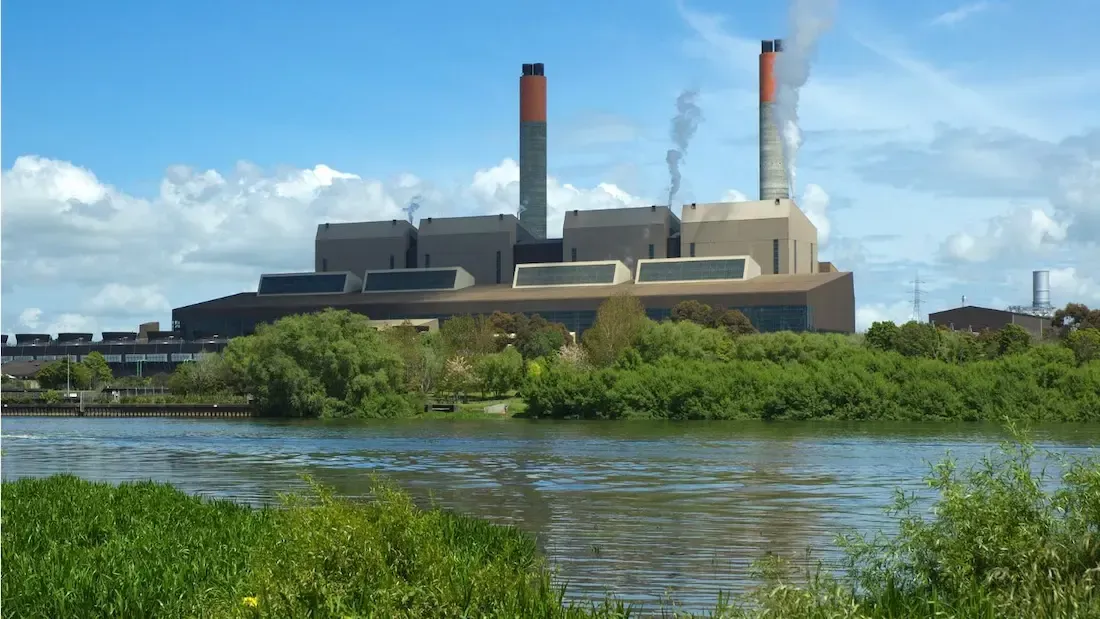
The coal-fired units at Huntly Power Station can substitute gas for most available output, subject to plant availability and operational decisions. If Unit 5 were retired and the currently mothballed 250MW unit recommissioned, the system would experience a net capacity reduction of approximately 153MW — but crucially, this would preserve scarce gas supply for industries that cannot rapidly switch fuels.
This is not a long-term decarbonisation strategy. It is a near-term system management decision designed to:
- Maintain industrial output
- Reduce price volatility
- Avoid emergency gas reallocations
- Buy time for structural transition
In other words, use the flexibility where it exists — in the power sector — rather than forcing abrupt disruption on industrial users.
Decision 2: Accelerate Investment in Firming Generation
New Zealand has a strong renewable development pipeline, particularly wind and solar. However, variable renewables alone do not eliminate dry-year risk. Dispatchable generation remains critical.
Geothermal as Proven Firm Renewable Supply
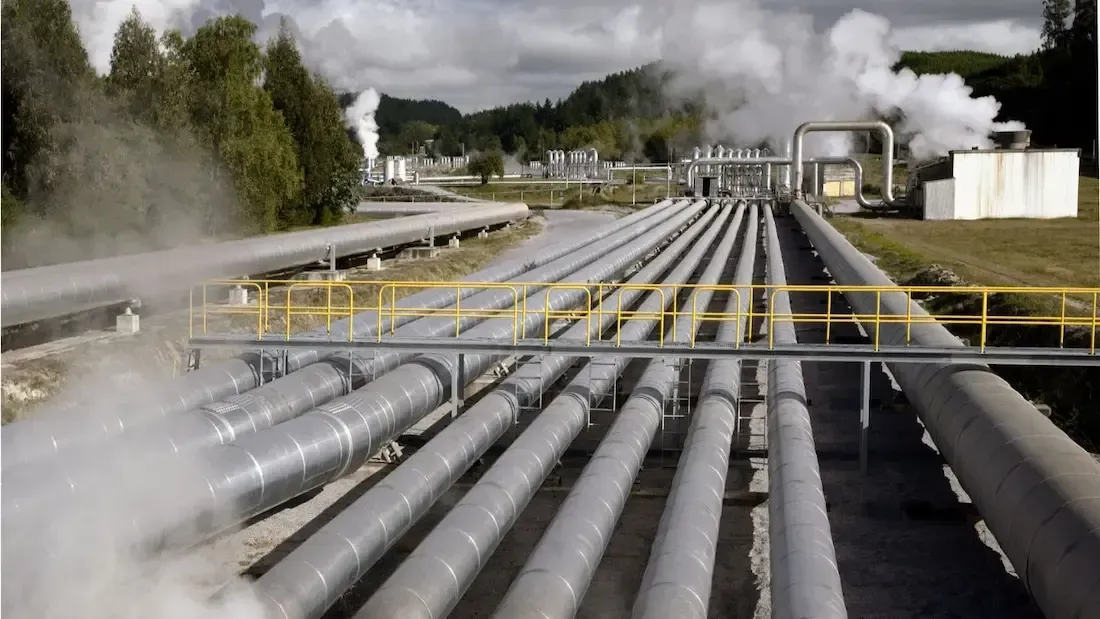
Geothermal is a proven, dispatchable renewable resource in New Zealand. Projects currently under development by established generators could materially strengthen system resilience.
Targeted support mechanisms — such as:
- Capital co-investment
- Risk-sharing structures
- Underwriting dry-year revenue exposure
could accelerate delivery and crowd in private capital. This would reduce long-term reliance on fuel-based generation while maintaining security of supply.
Short-Term Firming Options: Diesel Capacity
In the short term, existing diesel generation assets provide a practical firming option. Electricity distribution businesses (EDBs) have identified more than 300MW of diesel capacity that could be operational by winter 2026 with the right incentives.
Alternatively, new-build baseload diesel generation could be delivered at a capital cost of approximately $250 million for a 300MW plant — materially lower than the cost of establishing an LNG import terminal.
Diesel is not a decarbonisation solution. But as a peaking or emergency resource, it will provide a lower-cost insurance policy than long-term LNG dependency.
Decision 3: Enable Industry to Transition Away from Gas
The most durable way to improve long-term energy security is to reduce structural dependence on natural gas. Many industrial and commercial users have already assessed alternatives — including:
- Electrification
- Biomass
- LPG
- Hybrid fuel systems
In most cases, the primary barrier is capital cost — not technical feasibility. Targeted financial mechanisms could materially accelerate transition:
- Capital grants or co-funding
- Low-interest transition finance
- Support for electricity network upgrades
- Assistance with connection capacity constraints
In this context, fuel flexibility becomes a strategic asset. Businesses that can operate across multiple fuel sources are inherently more resilient to supply shocks and price volatility.
LNG Terminal vs Portfolio Approach
An LNG terminal represents a single, capital-intensive intervention that locks New Zealand into imported fossil fuel exposure.
A portfolio approach, by contrast:
- Uses existing flexibility in the power sector
- Accelerates firm renewable generation
- Provides interim firming solutions
- Supports industrial fuel transition
- Maintains optionality as technology and markets evolve
Energy systems are dynamic. Infrastructure decisions should preserve flexibility wherever possible.
Resilience Through Sequencing
Addressing dry-year risk is unlikely to be solved by one large asset. It requires coordinated sequencing:
- Manage and prioritise existing gas use
- Accelerate firm renewable investment
- Deploy interim firming capacity
- Enable industry to transition
Taken together, these measures can improve system resilience while allowing the market to evolve toward lower emissions and greater energy independence. New Zealand does not lack solutions. It needs disciplined sequencing, investment certainty, and strategic coordination.
DETA is New Zealand’s leading energy efficiency and decarbonisation consultancy, advising industry, generators, and government on practical pathways to a secure, low-carbon energy future.
What we do